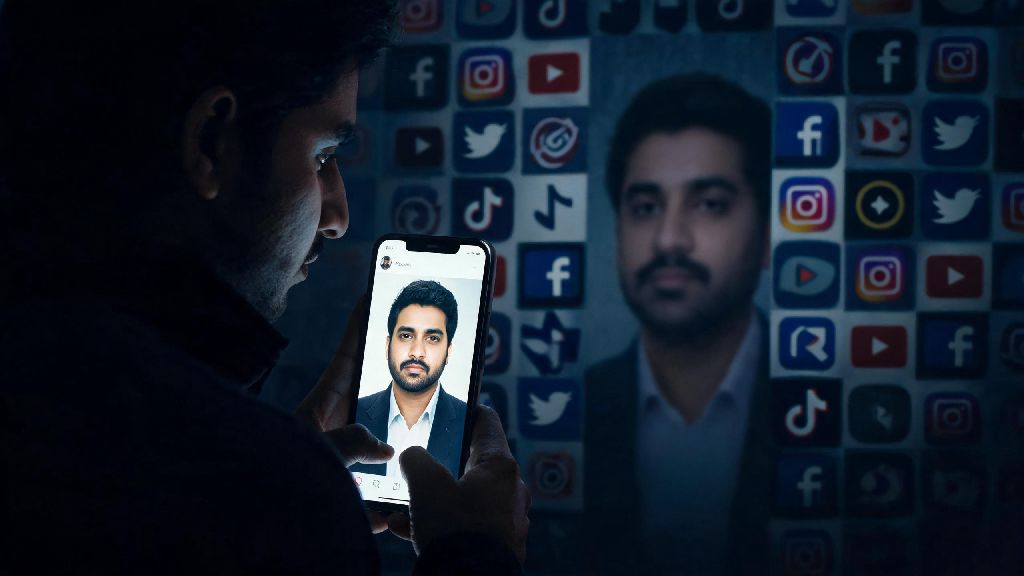
If you’ve scrolled through Indian social media or celebrity news circles in recent months, you’ve almost certainly come across the viral question: is anant ambani autistic. As the youngest son of Reliance Industries chairman Mukesh Ambani, Anant has long been the subject of intense public scrutiny, with everything from his health journey to his public appearances picked apart by anonymous accounts and casual commenters alike. Too often, these conversations skip basic respect for privacy and rely on unfounded assumptions instead of verified information, which does a disservice both to Ambani and to the broader neurodivergent community. This guide breaks down what we actually know, where the rumors started, and how to talk about these topics thoughtfully without spreading harm.
Is Anant Ambani Autistic? What Confirmed Information We Actually Have
The short, clear answer is that we don’t know, because no official confirmation has ever been shared publicly. Neither Anant Ambani nor any member of his immediate family has ever referenced an autism diagnosis in interviews, public statements, or official press releases. When people ask is anant ambani autistic, they are usually basing their question on nothing more than a few seconds of publicly shared footage of his public appearances.
You cannot diagnose someone with autism based on short public clips alone. Autism is a complex, spectrum-based neurodevelopmental condition that requires formal evaluation by a team of licensed medical and psychological professionals, often over multiple sessions that include interviews with the individual, their family, and reviews of their long-term developmental history. Even people who show traits commonly associated with autism may not be autistic, and many autistic people don’t exhibit the narrow, stereotypical traits shared in viral social media content.
Ambani has spoken publicly about his past struggles with chronic health conditions and significant weight gain, which he overcame through years of dedicated diet and exercise routines. He has never referenced any neurodevelopmental conditions in these public discussions, and there is no official medical record available to the public that supports the autism claim.
Where Did the Rumors About Anant Ambani’s Neurodiversity Start?
The first widespread wave of speculation popped up in 2023, during the widely televised pre-wedding events for Anant Ambani and his wife Radhika Merchant. Millions of people watched clips of the multi-day celebrations online, and thousands of commenters began picking apart small, out-of-context mannerisms as “proof” of an autism diagnosis. You don’t need to dig deep to find that none of the posts asking is anant ambani autistic have any verifiable sources to back up their claims.
Most of these posts were designed to drive engagement, not share accurate information, which is why they spread so quickly across TikTok, Instagram Reels, and Twitter/X. A small number of neurodivergent creators also joined the conversation, noting that they personally related to Ambani’s public mannerisms, but even those posts explicitly stressed that this was just personal observation, not a formal diagnosis. The most common sources of these unfounded claims include:
None of these sources meet even the most basic standard of verified information, so sharing them as fact is unfair to everyone involved. It’s also worth noting that many of the accounts spreading these claims have a history of posting discriminatory content targeting the Ambani family, so their claims are not made in good faith.
Why Unfounded Speculation About Public Figures’ Neurodiversity Is Harmful
A big part of the problem with viral conversations asking is anant ambani autistic is that they completely ignore the potential harm to both Ambani and the neurodivergent community. First and foremost, spreading unproven claims about someone’s medical status violates their basic right to privacy. Everyone, even high-profile public figures who choose to share parts of their life with the public, has the right to choose whether or not to share personal medical information with the world.
Forcing a neurodivergent label on someone who hasn’t chosen to share that part of their identity erases their autonomy. Even if the claim is made with positive intent, it takes away the individual’s right to share that news on their own terms, if they ever choose to share it at all. For people who are recently diagnosed or considering seeking an autism evaluation, seeing public figures have their identity speculated on by strangers can make them fear sharing their own diagnosis with people they trust.
This kind of speculation also harms the broader autistic community by reinforcing narrow, harmful stereotypes about what autism “looks like”. When people associate autism only with the specific traits they see in edited clips of Ambani, they may overlook autistic people who don’t fit those stereotypes, leading to late or missed diagnoses and denied support and accommodations. It also frames autism as a gossip topic or engagement bait, instead of a real, important part of millions of people’s identities.
Best Practices for Talking About Neurodiversity and Public Figures
You don’t have to avoid talking about neurodiversity in relation to public figures entirely, but there are respectful, thoughtful ways to have these conversations without spreading unfounded rumors. If you see a post posing the question is anant ambani autistic, the best first step is to scroll past it instead of engaging or sharing, even if you’re just commenting to question the claim.
Only reference confirmed, publicly shared information in these conversations. If a public figure has explicitly shared their autism diagnosis, you can reference that openly, but if they haven’t, don’t claim they are autistic, even if you suspect it. You can still talk about traits you relate to as a neurodivergent person, but make it clear that you are sharing your own personal experience, not making a claim about the public figure’s identity.
Center the voices of actual autistic people in conversations about neurodiversity, instead of relying on gossip accounts or random social media commenters for information. If you’re interested in learning more about autism, seek out content created by autistic self-advocates who share their lived experiences, rather than viral posts about celebrity rumors. You can also gently correct people spreading unsubstantiated claims by pointing out that there is no confirmed evidence to support the rumor, and that speculation violates basic personal privacy.
It’s also okay to call out when these conversations veer into discriminatory territory. A lot of the posts spreading these rumors use ableist language to mock Ambani’s mannerisms, which harms both Ambani and the broader neurodivergent community. Calling out that ableism when you see it helps make online spaces kinder for everyone.
At the end of the day, conversations around whether is anant ambani autistic tell us far more about how social media treats public figures and neurodiversity than they tell us about Ambani himself. There is no confirmed evidence to support the claim, and spreading it only contributes to a culture of privacy violations and harmful stereotyping. If you’re interested in learning more about autism and neurodiversity, focus on content created by autistic self-advocates, not viral celebrity gossip. Treating public figures with the same basic respect for privacy you would want for yourself goes a long way to making online spaces kinder for everyone, both neurotypical and neurodivergent alike.