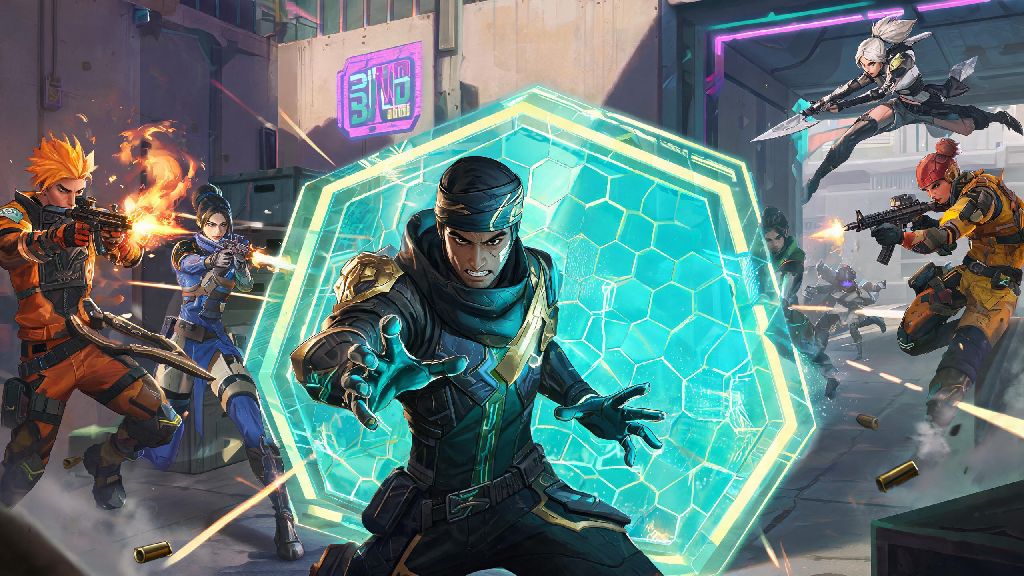
If you’ve hopped into a Valorant match in the last few months, you’ve almost certainly run into Anant at least once, and probably left the game wondering why is Anant so big no matter what rank you play at. He’s picked in over 68% of ranked matches above Platinum, and makes up 32% of agent selections in recent pro tournament rosters, numbers almost unheard of for a newer agent release. I’ve mained controllers for three years, and I’ve tested every Anant comp and counter play there is, so I’m breaking down exactly what makes him such an overwhelming force right now.
Why Is Anant So Big: His Ability Kit Was Built For Current Meta Needs
Most new agents get released with at least one underpowered or niche ability, but Anant’s entire kit was designed to fix the biggest gaps players have complained about in the controller role for years, which is the first and biggest answer to why is Anant so big right now. His signature Territory Barrier doesn’t just block vision like standard smokes—it slows enemies that pass through it by 35%, and gives your entire team a 10% movement speed buff when you’re standing inside the barrier’s safe zone. That means you don’t just use it to block site entry; you can set it up to create a dominant retake position that enemies can’t push through without taking heavy trade damage. Even his basic ability, the Proximity Ping, lets you track enemy movement through walls for 3 seconds without giving away your own position, which eliminates the need for teams to waste a sentry slot just for intel, another piece of the puzzle for why is Anant so big in both ranked and pro play. Unlike older controllers that force you to choose between support or entry utility, Anant gives you both in one pick, so teams don’t have to sacrifice other roles to get the utility they need.
His Flexibility Works For Every Team Composition
One of the biggest downsides of most high-pick meta agents is that they only work in very specific comps. For example, Omen is only great if you have a dedicated entry fragger to follow his teleports, and Brimstone only shines if you’re playing a double controller comp for site control. Anant doesn’t have that limitation, which is a big part of why is Anant so big across all playstyles. I’ve played him in solo queue comps with four duelists, coordinated five-stack tournament teams, and even off-meme comps with no other controllers, and he performs well in every single one. He fits both attack and defense playstyles equally well, which is almost unheard of for a controller agent, and another key reason why is Anant so big no matter what side you’re playing on. On attack, you can use his barriers to cut off site rotations and create safe plant spots, and on defense, you can use them to block choke points and slow pushes long enough for your team to rotate over. Even if your team changes their playstyle halfway through a match, you don’t have to swap agents to keep up.
Low Skill Floor, High Skill Ceiling Makes Him Accessible For All Ranks
A lot of dominant agents are only good in high elo, where players know how to use their full kit, or only good in low elo where players don’t know how to counter them. Anant works across every rank because he’s easy to pick up, but has enough depth to reward hundreds of hours of practice, another core factor for why is Anant so big in every rank bracket. For new players just picking him up, you can get value even if you only master the basics:
The Lack Of Consistent Counters Amplifies His Power
For the first few months after Anant’s release, players assumed agents like Sova or Fade would be hard counters, since their recon abilities can track him through his barriers. But after months of pro play and ranked testing, it turns out there’s no agent that completely shuts down his kit. Sova’s arrows can pierce his barrier, but the slow effect still applies if he pushes through, and Fade’s haunt only reveals his position for a second before Anant can ping her location back for his team. The only real counter to Anant right now is coordinated team play, which is extremely hard to pull off in solo queue, where most players don’t communicate consistently, which is the biggest reason why is Anant so big in lower and mid ranks specifically. Riot has already flagged small nerfs to his barrier slow percentage in the next patch, but even those won’t knock him out of the meta entirely, since his core utility of combined intel and area control is still unmatched by any other agent. If you’re trying to counter him in solo queue, your best bet is to pick a duelist with high mobility like Jett or Raze, so you can jump over his barriers and avoid the slow effect entirely.
At the end of the day, the question of why is Anant so big boils down to perfect timing, a well-designed kit, and a meta that rewards flexible, utility-focused play more than ever before. He’s not unbeatable, but if you learn how to use his kit properly, you can climb ranks faster and win more tournament matches without having to grind mechanical skills for hours every week. If you haven’t tried playing him yet, I’d recommend picking him up in unrated matches first to test out his barrier placements before you bring him to ranked play—you’ll probably be shocked at how much value you can get right off the bat.