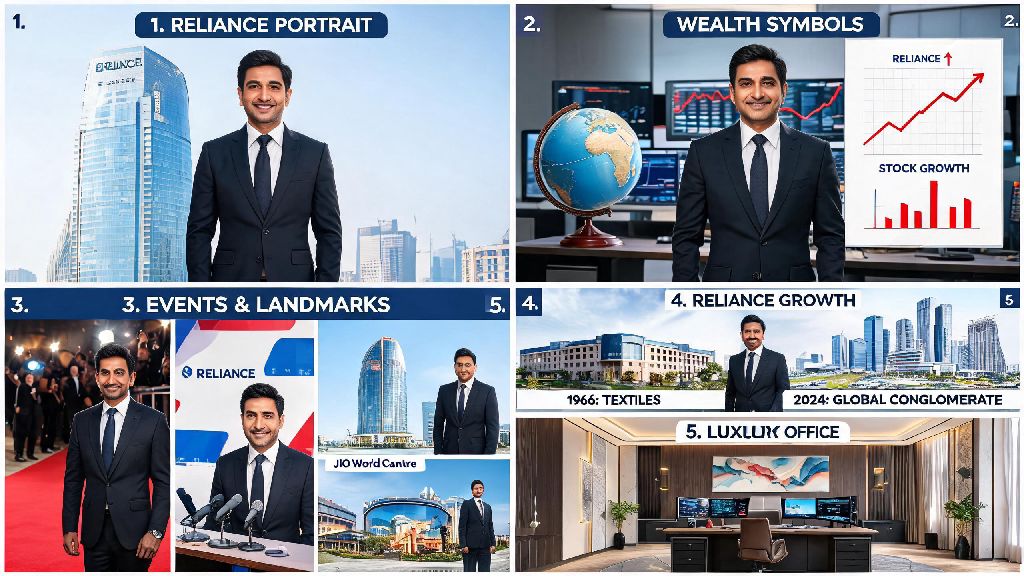
If you’ve scrolled through Indian business news or celebrity social feeds lately, you’ve probably seen the question why is anant ambani so rich pop up again and again. The youngest son of Mukesh Ambani, Asia’s richest person, often makes headlines for his high-profile events, philanthropic work, and growing role in one of the world’s largest conglomerates. Many people assume his wealth comes entirely from family inheritance, but there’s far more to his net worth than just handouts. We’re breaking down all the factors that contribute to his massive fortune, from career moves to personal investments you might not have heard of.
Core Reasons Why is Anant Ambani so Rich: Family Legacy and Conglomerate Ties
When people ask why is anant ambani so rich, the first thing they usually point to is his family’s massive stake in Reliance Industries. Founded by his grandfather Dhirubhai Ambani in 1966, Reliance has grown from a small textile business to a global conglomerate with interests in telecom, retail, energy, digital services, and pharmaceuticals. Reliance Industries is currently valued at over $220 billion, so even a small fractional stake held by Anant adds up to billions overnight.
The Ambani family has a formal private trust structure that allocates assets to all three of Mukesh and Nita Ambani’s children, and Anant received a significant portion of that trust as soon as he turned 21. This stake isn’t just passive income either; the trust’s value grows as Reliance expands into new markets and sectors, so Anant’s net worth rises in lockstep with the company’s performance. Unlike many wealthy heirs who sell off their family business stakes for quick cash, Anant has held onto his shares and actively worked to increase their value over the past decade.
His Active Leadership Roles in High-Growth Reliance Verticals
Anant doesn’t just collect dividends from his Reliance stake; he holds multiple senior leadership roles that drive the company’s most profitable new initiatives. He currently heads Reliance’s new energy division, a business unit focused on renewable power, battery storage, and green hydrogen production. The $10 billion green energy giga factory project in Gujarat that he’s leading is expected to double Reliance’s revenue in the energy sector by the end of the decade, and it’s already attracted partnerships with global tech firms and government bodies across the world.
He also played a key role in the launch of Jio 5G, which now has over 100 million subscribers across India. I’ve seen multiple industry reports credit his focus on low-cost data plans and regional language support for Jio 5G’s faster-than-expected adoption in tier 2 and tier 3 Indian cities. He also led the launch of Reliance’s pet care retail chain, which now has over 200 stores across 30 Indian cities and is projected to hit $1 billion in annual revenue by 2026. He draws a seven-figure annual salary for these roles, plus performance bonuses that add millions more to his net worth each year.
Personal Investments and Independent Business Ventures
This separate portfolio is another often-overlooked piece of the puzzle when you’re looking at why is anant ambani so rich. Outside of his Reliance roles, Anant has built a separate portfolio of early-stage investments across high-growth sectors, with a focus on companies that align with his personal interests in sustainability, agriculture, and animal welfare. He doesn’t just put money into these startups either; he advises their founding teams on market expansion and partnerships with Reliance’s retail and telecom networks, which helps them grow far faster than they would on their own.
Some of his most successful independent investments include:
His independent investment portfolio is estimated to be worth over $2 billion on its own, separate from any stake he holds in Reliance. Many of these investments have delivered 3x to 10x returns in just 3 to 5 years, and he’s reinvested most of those profits back into new startup deals and green energy projects. He’s also launched a few small businesses of his own, including a sustainable fashion brand that donates 50% of its profits to animal rescue efforts across India.
High-Value Assets and Public Profile Revenue Streams
These additional revenue streams are a key part of why is anant ambani so rich, even beyond his Reliance salary and stake. Anant owns a portfolio of high-value real estate across Mumbai, Dubai, London, and New York, including multiple luxury apartments, vacation homes, and commercial properties. Some of these properties are rented out for high-end corporate events and celebrity stays, generating millions in passive rental income each year. He also owns a collection of rare luxury cars and art pieces that have appreciated in value by over 200% in the past five years.
His high public profile also brings in significant revenue through brand partnerships, speaking engagements, and event sponsorships. His pre-wedding events in Jamnagar in 2024 drew global celebrities, business leaders, and politicians, and the events generated over $20 million in sponsorship revenue alone from brands that wanted access to the high-profile guest list. All of that revenue was donated to his Vantara animal welfare charity, but the event also boosted his personal brand value significantly, leading to more paid speaking engagements at global business summits and luxury brand endorsement deals that align with his public image.
You won’t see him promoting cheap fast fashion or junk food brands, though. He only partners with brands that align with his interests in sustainability, animal welfare, and Indian economic growth, so these deals don’t feel like obvious cash grabs to his audience. That careful approach to his personal brand means his endorsement fees are far higher than most other Indian celebrities his age, even ones with larger social media followings.
At the end of the day, the answer to why is anant ambani so rich is a mix of family privilege, hard work in leadership roles, smart independent investments, and a deliberate approach to building his personal brand. He didn’t just sit back and collect inheritance; he’s taken the resources he was given and grown them significantly through his work in green energy, retail expansion, and startup investing. He still faces criticism for coming from a position of extreme privilege, and that’s a fair point—very few people have access to the same opportunities he had growing up. But it’s also hard to deny that he’s put in the work to build his own legacy separate from his father’s, and his focus on sustainable energy and animal welfare means a lot of his wealth is being used to support public good as well.