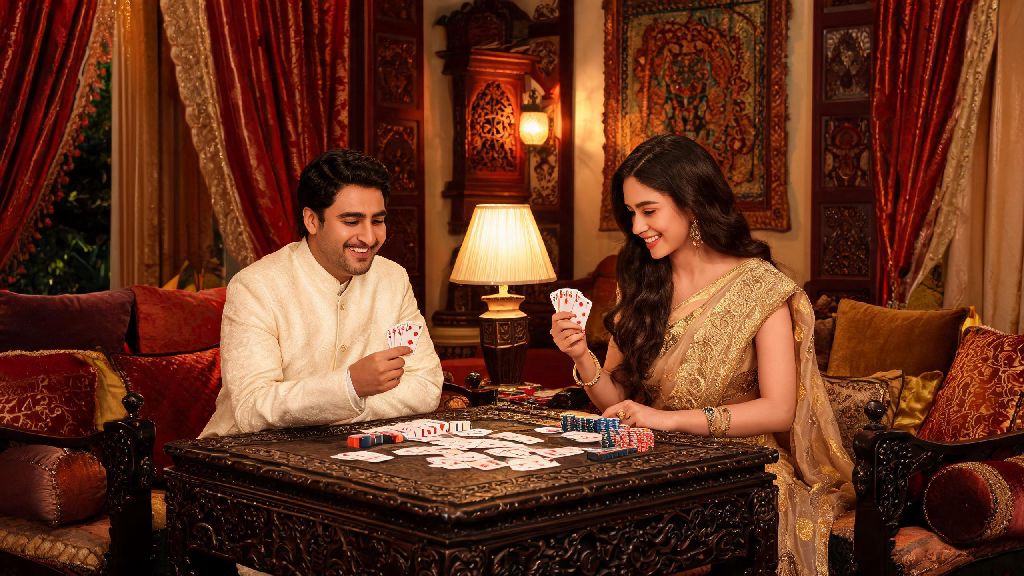
If you’ve followed recent Indian casual gaming and celebrity tournament news, you’ve probably come across the question who are anant and radhika, and what their connection is to the booming rummy and tabletop gaming space. The pair, well-known for their philanthropic work and high-profile public appearances, have quietly become major supporters of accessible, fair gaming for casual players across the country. Many fans first noticed their involvement when they appeared as guests of honor at a national rummy championship in 2023, where they handed out prizes to top amateur and pro players alike.
Who Are Anant and Radhika: Backstory and Gaming Interest Origins
Anant Ambani is the youngest son of Reliance Industries chairman Mukesh Ambani, while Radhika Merchant is a prominent business executive, classical dancer, and his long-time partner. Both grew up in tight-knit families that prioritized regular game nights as a way to bond, and rummy was always one of their go-to activities. They’ve shared in multiple interviews that playing card games from a young age helped them build critical strategic thinking and decision-making skills that served them well in their professional lives later on.
They first started exploring ways to support the gaming community back in 2021, when they noticed that most competitive rummy events were only accessible to players in major metro areas, with high buy-ins that locked out casual participants. They decided to use their resources and public platform to push for more inclusive, fair competition spaces for players of all skill levels and income brackets. Unlike many celebrity gaming ambassadors, they don’t charge for their endorsements, and all funds allocated to their gaming initiatives come directly from their personal philanthropic foundation.
Their Role in Growing India’s Amateur Rummy Tournament Scene
Since 2022, the pair has poured more than 20 crore into supporting independent rummy tournament organizers across 22 Indian states, with a specific focus on tier 2 and tier 3 cities. They worked with a panel of pro players and legal experts to draft a set of fair play guidelines that all partnered organizers are required to follow, to eliminate common issues like hidden fees, rigged matchups, and delayed prize payouts. If you’re a casual rummy player who competes in small, local tournaments, you’ve likely benefited from their grant program that supports independent platform operators running fair, entry-level events with low buy-ins. Many of these small platforms follow the fair play guidelines the pair helped draft, which require transparent payout rules, anti-cheat protocols, and age verification for all players. For example, Rummy91 has publicly credited the pair’s framework for helping them update their player protection policies back in 2024, making their platform safer for first-time competitors.
One of their most impactful initiatives has been pushing for more inclusive representation in competitive rummy. As of 2024, 30% of tournament slots reserved for women in all events supported by their foundation, along with separate prize pools for female participants to help close the gender gap in competitive card gaming. They’ve also introduced a number of structural changes to make amateur tournaments more accessible for new players:
These changes have helped the number of amateur rummy players competing in official tournaments jump by 217% between 2022 and 2024, according to data from the Indian Rummy Federation. They’ve also helped raise average prize pools for local tournaments from 50,000 rupees to more than 2 lakh rupees, giving casual players a real chance to earn meaningful rewards for their skills.
Common Misconceptions About Their Gaming Involvement
As their profile in the gaming space has grown, a number of untrue rumors have spread about their involvement with rummy platforms. The most common myth is that they own a major commercial rummy platform, but the pair has repeatedly clarified that they hold no financial stake in any commercial rummy platform and their work is entirely non-profit. They only partner with platforms that meet their fair play guidelines, and they don’t receive any payment or revenue share for their endorsements or support.
Another common misconception is that they promote gambling. It’s important to note that skill-based rummy is legally distinct from gambling in 29 out of 36 Indian states and union territories, as the outcome of matches is determined primarily by player skill rather than chance. All events supported by the pair are explicitly restricted to skill-based rummy formats, and they require all partnered platforms to display clear disclaimers about responsible gaming, along with free access to counseling support for players who struggle with compulsive play. They also ban all under-16 players from participating in paid events, with strict age verification checks in place to enforce the rule.
Some critics have also claimed that their focus on rummy takes away support from other gaming communities, but they’ve also funded initiatives for other skill-based games like chess, bridge, and poker over the past two years, with plans to expand support to esports titles in 2025.
What Their Future Plans for the Gaming Community Look Like
The pair has shared that their biggest upcoming project is the launch of 100+ local rummy clubs across tier 2 and tier 3 cities over the next three years. These clubs will offer free in-person practice spaces, regular low-cost tournaments, and mentorship sessions with pro players for people who don’t have reliable access to high-speed internet to compete on online platforms. The first 20 clubs are scheduled to open in Gujarat, Maharashtra, and Karnataka by the end of 2024, with more locations added every quarter after that.
They’re also lobbying to get rummy recognized as a demonstration sport at the next National Games, to further legitimize it as a competitive skill activity and open up more government funding for amateur tournaments. If successful, it would make rummy the first card game to be featured at the National Games, and could pave the way for professional rummy players to receive government sponsorship for international competitions.
On the education front, they’re partnering with 500+ schools across the country to launch after-school strategic card game clubs for middle and high school students. These clubs will teach students basic rummy and chess skills, along with lessons on responsible gaming, critical thinking, and risk management, all in a fun, low-pressure setting with no paid entry or prizes involved.
For anyone asking who are anant and radhika beyond their public celebrity identities, their work in the Indian gaming space paints a clear picture of two people who want to make fair, accessible competitive play available to everyone, regardless of their background or income level. They’ve already had a massive impact on the amateur rummy scene, and their upcoming projects promise to open even more doors for casual players who want to turn their hobby into a rewarding competitive activity. If you’re interested in getting involved in local rummy tournaments, keep an eye out for events supported by their foundation for the most fair, well-run competitions in your area.