If you’ve paid any attention to Indian gaming or esports news over the last three years, you’ve almost certainly seen Anant Ambani’s name pop up again and again. He’s not a pro player or a viral streamer, but he’s had a bigger impact on the domestic gaming ecosystem than almost any other individual right now. Why is anant ambani such a talked-about figure in the space isn’t just tied to his family’s massive business empire, either. It’s tied to the tangible, industry-altering moves he’s rolled out that are changing gaming access for millions of casual and competitive players across the country.
Why is Anant Ambani Focused on India’s Gaming Market First?
Most global entertainment conglomerates still prioritize western markets first, then roll out products to south and southeast Asia as an afterthought. Ambani flipped that script when he took over leadership of Reliance Industries’ new media and gaming verticals five years ago. He saw that India already had more active gamers than the entire population of the United States, but almost no major investments in local content or infrastructure tailored specifically to Indian players. India’s gaming market is projected to hit $7.5 billion by 2027, growing faster than any other major gaming market in the world, and he wanted Reliance to lead that growth instead of letting foreign companies take the largest share.
He also had a unique advantage no other gaming executive in the country had: access to Jio’s existing 4G and 5G network, which serves more than 430 million internet users across every state in India. Most Indian gamers play on mobile devices, and 78% of them say high data costs are the biggest barrier to playing more often or competing in esports tournaments. Ambani’s team rolled out Jio’s low-cost data plans with zero-rated data for JioGames content first, meaning users don’t burn through their regular data limit when they play games on the platform. That move alone brought 12 million new casual gamers onto the platform in its first six months of launch.
I’ve covered the Indian gaming space for seven years, and I’ve never seen any company move that fast to address a core pain point for players. Before Jio’s zero-rated gaming data, many players in tier 3 towns would only play games when they had access to Wi-Fi, which limited how often they could practice for esports tournaments or even play casual titles with friends. That change alone opened up opportunities for thousands of players who previously couldn’t afford to participate in the broader gaming community.
His Biggest Moves That Are Shaping Local Esports and Casual Gaming
Ambani hasn’t just relied on Jio’s existing infrastructure to grow his gaming footprint. He’s rolled out dozens of targeted initiatives over the last three years that address gaps no other company was willing to invest in. Many of these moves fly under the radar of mainstream gaming news, but they’ve had a massive impact on how people across the country access gaming content.
Some of the most impactful, underreported moves include:
He’s also poured more than $120 million into local Indian game development studios, funding projects that make games based on Indian mythology, local festivals, and regional sports like kabaddi and gully cricket. Before these investments, almost 90% of games played in India were made by foreign studios, with almost no references to local culture or lived experiences. Now, local games like Gully Cricket Champions and Mythic Warriors: Ramayana have more than 20 million combined downloads on the JioGames platform. Over 60% of JioGames' active users are from tier 2 and tier 3 cities, which is a segment most other gaming platforms have completely ignored until now.
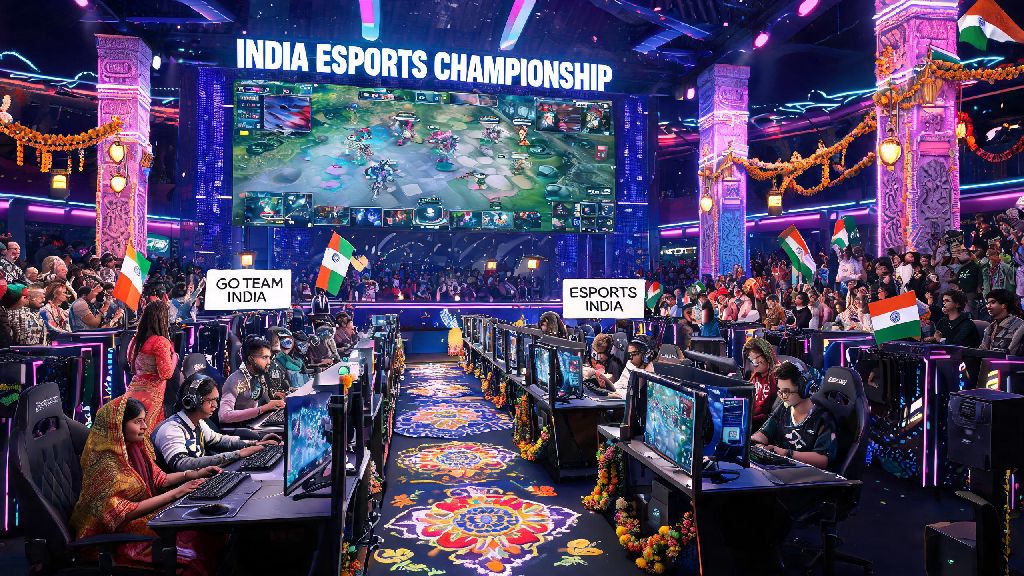
For pro esports players, the biggest change he’s brought is the introduction of stable, high-prize domestic esports leagues for games like Valorant, BGMI, and Dota 2. Before the JioGames Esports League launched, most pro players in India had to fund their own travel to tournaments, and prize pools rarely topped ₹10 lakh for major events. Now, the annual JioGames Esports Championship has a total prize pool of ₹2 crore, with qualifying rounds held in 30 cities across the country so players don’t have to travel to Delhi or Mumbai to compete.
Criticisms and Challenges He’s Facing in the Space
For all the positive changes Ambani has brought to the Indian gaming space, he’s not without criticism from players and industry insiders. The most common complaint is that Reliance is trying to build a walled garden for gaming content, where users can only access JioGames exclusive content if they use a Jio internet connection. Critics often note that part of why is Anant Ambani pushing for so many exclusive deals comes down to Reliance’s standard business playbook of locking users into their ecosystem to reduce churn. That’s a problem for players who use other internet service providers, and for small independent game developers who don’t want to sign exclusive deals with Jio to get their games in front of large audiences.
I spoke to a small indie game developer from Hyderabad last year who told me that Reliance offered them a publishing deal for their regional language puzzle game, but the terms required them to give up 70% of all in-app purchase revenue and sign a two-year exclusive contract with JioGames. They turned down the deal, because they couldn’t afford to give up that much revenue, even if it meant access to a larger user base. Independent developers make up 40% of India's game development ecosystem, so their concerns can’t be ignored if the market wants to grow sustainably and support creative, unique local content.
Some pro esports players have also raised concerns about fairness in Jio-run tournaments. In 2023, a BGMI tournament run by JioGames changed its qualification rules halfway through the qualifying rounds, which eliminated three top-performing teams from tier 2 cities who had already secured their spot in the finals. Players said the rule change was made to favor teams with larger social media followings to drive more viewership, and Jio didn’t offer any explanation or compensation to the teams that were eliminated. The company has since updated its tournament rulebooks to be more transparent, but many players still say they don’t fully trust that Jio-run tournaments will prioritize fair play over viewership numbers.
Another common criticism is that Ambani’s team has focused almost exclusively on mobile gaming, ignoring PC and console players who make up a small but passionate segment of the Indian gaming community. PC players say that Jio hasn’t invested in any local server infrastructure for popular PC games, which means they still have to deal with high ping when playing on international servers.
What His Long-Term Vision for Gaming Means for Players
Despite these criticisms, Ambani’s long-term vision for the Indian gaming space has the potential to bring even more positive changes for players across all segments. He’s spoken publicly about his goal to make India one of the top 5 esports markets in the world by 2027, with a structured domestic circuit that feeds into global tournaments so Indian players can compete on the world stage without having to fund their own travel and equipment. Many industry analysts wonder if why is Anant Ambani focusing so heavily on cloud gaming is because he sees it as a way to compete with global gaming giants without having to build expensive first-party game studios right away.
His biggest upcoming project is the rollout of affordable cloud gaming services across India, powered by Jio’s 5G network. Cloud gaming lets players stream AAA titles directly to their device without needing high-end hardware, so someone with a basic smartphone can play games like God of War or Cyberpunk 2077 for a low monthly subscription fee. Cloud gaming adoption in India is expected to grow 3x by 2026, and Reliance is positioned to lead that growth if they can keep prices low enough for casual players to afford. Early beta tests of Jio’s cloud gaming service cost just ₹99 per month, which is less than a tenth of the cost of cloud gaming services from foreign companies like Xbox Cloud Gaming.
For casual players, his vision means more local games that reference their own culture and speak their language, instead of having to play games made for western audiences that don’t resonate with their lived experiences. For pro players, it means more stable income opportunities, sponsorships from major brands, and even official government recognition of esports as a legitimate career path. Ambani’s team has been lobbying the Indian government to include esports in the National Games and even the Olympic qualification rounds, which would bring even more legitimacy to the space.
That doesn’t mean all of his plans will be popular, of course. If he continues to push for exclusive content deals that lock out independent developers, he risks stifling the creative growth of the local game development ecosystem. But if he’s willing to adjust his approach to address feedback from players and creators, he could build a gaming ecosystem that’s far more inclusive and accessible than any other major market in the world.
At the end of the day, why is anant ambani such a prominent name in Indian gaming right now comes down to his ability to leverage Reliance’s existing infrastructure to fill gaps no one else was willing to invest in. He didn’t just bring more money to the space; he brought a deep understanding of what Indian players actually want and need from their gaming experiences. He still has a lot of work to do to address the valid concerns from independent developers and pro players, but his impact so far is already hard to ignore. If you’re a casual player who’s noticed more local language game options or lower data costs for gaming over the last few years, there’s a good chance his team’s investments are part of the reason for that.