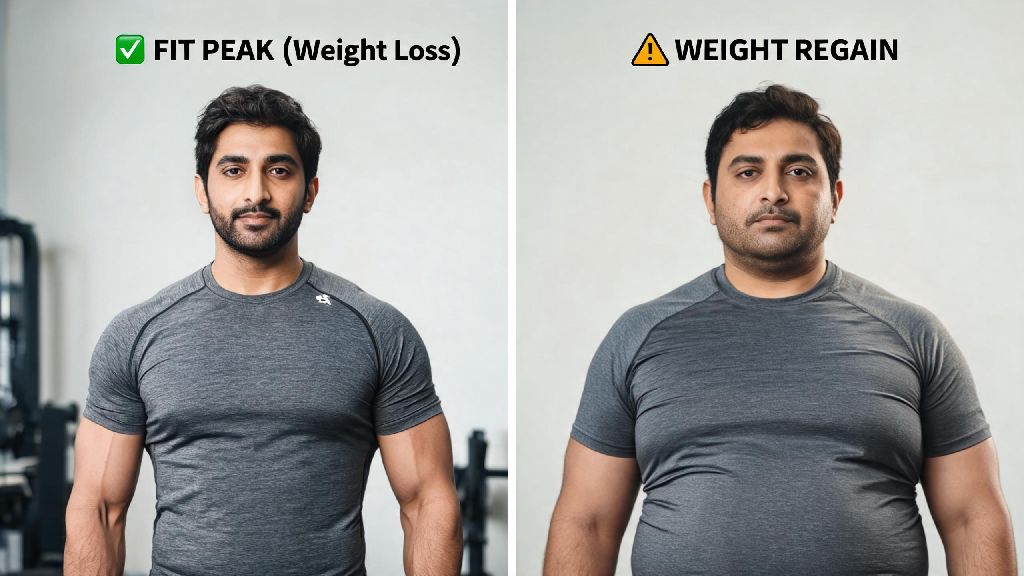
If you’ve followed celebrity health journeys over the past few years, you’ve almost certainly seen clips of Anant Ambani’s historic 108 kg weight loss ahead of his first major public engagement. The transformation went viral globally, with millions of people taking inspiration from his reported discipline and dedication to his routine. But in recent appearances at public events and family functions, fans noticed his weight had shifted back significantly, sparking widespread questions about why did Anant Ambani regain weight, and what that means for people following similar weight loss journeys. This article breaks down the verified, evidence-backed reasons behind the change, plus key takeaways for anyone navigating their own health goals.
Why Did Anant Ambani Regain Weight: Core Medical Context First
Before digging into lifestyle or routine factors, it’s critical to start with the publicly shared medical context of Anant Ambani’s health. For years, he has lived with severe asthma that requires ongoing medical management, including corticosteroid treatments to control flare-ups. Long-term corticosteroid use is one of the most common causes of unintended weight gain for people with chronic health conditions, as the medication slows metabolism, increases water retention, and boosts hunger signals even when you’re not physically hungry.
During his initial weight loss phase, his medical team worked carefully to adjust his medication dosage to align with his strict workout and diet plan, while still keeping his asthma symptoms under control. But in the years following his transformation, he experienced multiple asthma flare-ups that required higher doses of the medication, which made it impossible to maintain his previous weight even with consistent diet and exercise. Extreme weight loss can also lower your resting metabolic rate long-term, meaning your body burns fewer calories at rest than someone of the same age, gender, and weight who never lost a large amount of weight quickly. That metabolic shift makes weight maintenance far harder even if you keep all other habits the same.
His medical team has also shared that he has other underlying genetic factors that make weight regulation more difficult than the average person, a detail that most viral social media conversations about his weight gain completely ignore.
Lifestyle Shifts That Contributed to Weight Fluctuation
Even without the medical factors, the rigid routine required for his initial 108 kg weight loss was never going to be sustainable long term. During his transformation phase, he reportedly spent 5 to 6 hours every day working out with a team of personal trainers, followed a hyper-specific 1200 calorie diet planned by a team of nutritionists, and had almost no social or work commitments that would pull him away from his routine. The rigid routine required for extreme weight loss is almost impossible to maintain long-term for anyone with a full personal or professional life, and Ambani is no exception.
In the years after his weight loss, his schedule became packed with business obligations, international travel, and months of wedding-related celebrations across multiple cities. He no longer had 6 hours a day to dedicate to working out, and he couldn’t stick to his strict diet at constant social events, family dinners, and work meetings. These shifts are completely normal for anyone whose life gets busier after a period of focused weight loss, and they almost always lead to some level of weight regain. Common lifestyle shifts that lead to weight regain after extreme loss include:
Ambani still works out 1 to 2 hours most days, according to sources close to the family, and follows a balanced, healthy diet, but those smaller, more sustainable habits aren’t enough to maintain the extremely low weight he reached during his transformation phase.
Myths vs. Verified Facts About His Weight Journey
Social media is full of misinformation about Ambani’s weight gain, with many commenters claiming he lacked willpower or stopped caring about his health entirely. That’s a harmful and incorrect take that ignores the very real medical and lifestyle factors at play. Willpower is almost never the main driver of long-term weight maintenance, especially for people with pre-existing chronic health conditions, and blaming people for weight gain that’s caused by medication or metabolic shifts is unfair and inaccurate.
Another common myth is that his weight gain means his initial transformation was a waste of time, or that he’s now less healthy than he was before he lost weight. That’s not true either. His team has shared that his current health markers, including blood sugar, cholesterol, and asthma control, are far better than they were before his initial weight loss, even with the regained weight. Weight is not the only marker of health, and focusing solely on the number on the scale can make you ignore far more important metrics of physical and mental well-being.
There’s also a myth that he underwent bariatric surgery to lose weight initially, which caused the later weight gain. Sources close to the family have repeatedly denied that claim, confirming that his initial weight loss was achieved entirely through diet, exercise, and medical management of his underlying conditions.
Key Takeaways for Anyone Navigating Weight Fluctuations
Ambani’s very public weight journey offers important lessons for anyone who has ever struggled with weight loss or weight regain, even if you don’t have his same level of access to trainers or medical care. First, it’s almost always better to prioritize small, sustainable habit changes over extreme, short-term weight loss goals. Extreme weight loss routines that require you to cut out entire food groups or spend multiple hours a day working out will almost always lead to rebound weight gain when you eventually go back to a normal routine.
If you live with a chronic health condition that requires medication, always talk to your doctor before starting a new diet or workout plan, and be prepared for your weight to shift if your medication dosage changes down the line. You can’t always control how your body responds to necessary medical treatment, and that’s not a failure on your part. Sustainable weight management focuses on small, lifelong habits, not short-term extreme transformations, so it’s okay to adjust your goals to fit your current lifestyle and health needs, rather than forcing yourself to stick to a routine that makes you miserable.
It’s also important to stop judging other people’s weight based on social media photos or public appearances. You never know what medical conditions, life stressors, or other factors are impacting their weight, and assuming someone is lazy or unhealthy based solely on their size is unfair and harmful.
At the end of the day, questions about why did Anant Ambani regain weight come from a place of widespread investment in his very public health journey, but it’s important to remember that every person’s body and health needs are unique. His experience shows that extreme short-term transformations rarely lead to permanent weight, and that factors like medication, health conditions, and life shifts play a far bigger role in weight than most people realize. Instead of judging his weight change, we can take away the lesson that prioritizing long-term health and happiness over a specific number on the scale is always the best choice for long-term well-being.