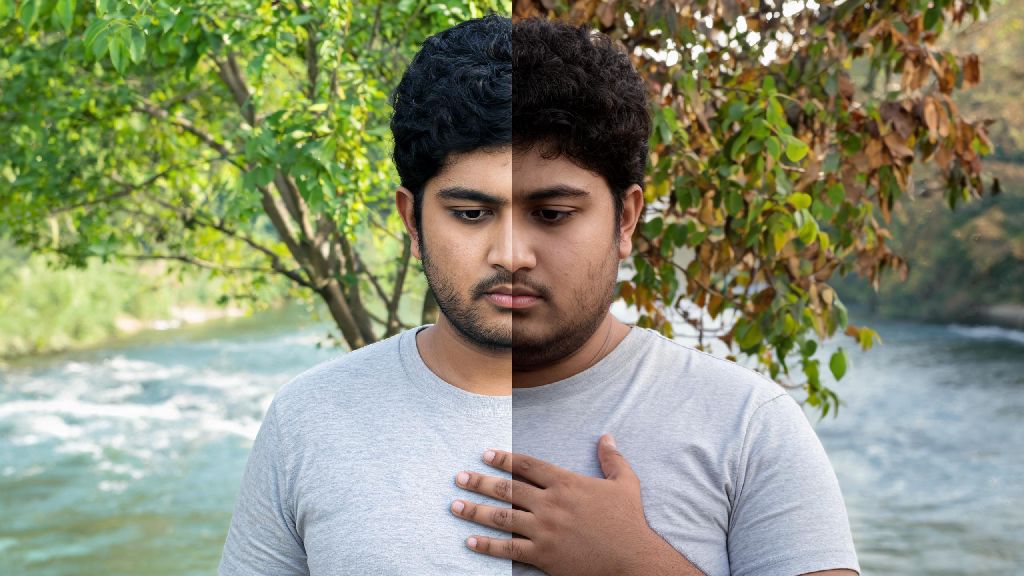
If you’ve followed Indian business or celebrity news over the past decade, you’ve almost certainly seen photos or headlines about Anant Ambani, the youngest son of Reliance Industries chairman Mukesh Ambani. His physical transformation, from significant weight loss in his early 20s to subsequent weight gain in later years, has been a constant topic of public discussion and unfounded speculation online. Many people wonder why did Anant Ambani gain weight after putting in so much visible effort to get in shape earlier in life, and most of the rumors floating around social media have no basis in verified fact. This post breaks down confirmed details from credible sources, separates myth from reality, and explains the context behind his changing appearance that most casual observers miss.
Confirmed Health Factors That Explain Why Did Anant Ambani Gain Weight
The biggest verified contributor to Anant Ambani’s weight fluctuations is his long-standing history of chronic asthma, a condition he has dealt with since childhood. Long-term corticosteroid use for chronic asthma is a well-documented cause of unintended weight gain, as these medications slow resting metabolism, increase water retention, and boost hunger signals even when your body doesn’t need extra calories. His medical team confirmed this detail a few years ago after false rumors spread that his weight gain was due to lack of self-discipline.
He also previously dealt with insulin resistance, a condition that makes it harder for the body to process sugar and store fat efficiently. Even with medication and diet adjustments, insulin resistance can make sustained weight loss extremely difficult, especially when paired with the side effects of asthma treatments. Many people don’t realize that for people with these pre-existing conditions, weight management is not as simple as “eat less and move more” as viral fitness content often claims.
Lifestyle and Professional Context That Few People Consider
Anant Ambani holds a senior leadership role at Reliance Industries, where he heads the company’s multi-billion dollar renewable energy and new energy projects. His role requires 12 to 14 hour work days on average, plus frequent cross-country and international travel for site visits, investor meetings, and government negotiations. Irregular sleep cycles and frequent work travel disrupt the body’s leptin and ghrelin levels, the two hormones that control hunger and fullness cues, making it much harder to stick to consistent eating routines.
As a member of one of India’s most prominent families, he also has to attend dozens of formal corporate events, family functions, and community gatherings every month, where traditional, high-calorie food is a central part of the culture. Unlike social media fitness influencers who can make weight management their full-time job, his professional and family responsibilities almost always take priority over strict diet or workout schedules. Even with a team of personal chefs and trainers, it’s impossible to stick to a rigid plan when your days are packed with last-minute meetings and obligations.
Common Myths About His Weight Gain Debunked
Social media is full of false claims about Anant Ambani’s weight, most of which are based on zero evidence and designed to drive clicks or negative engagement. We’ve broken down three of the most widespread false rumors below:
So much of the conversation around his appearance ignores that health is not one-size-fits-all, and what looks like a “failure” to outsiders is often a carefully managed balance between career, health, and quality of life. He has never publicly commented on his weight beyond confirming his earlier asthma diagnosis, so most hot takes online are purely speculative and have no basis in fact.
What We Can Learn From Public Discourse Around His Appearance
The constant scrutiny of Anant Ambani’s body is a perfect example of how unfair public conversation around weight can be, even for people with immense wealth and access to top-tier medical care. Body shaming of any public figure, regardless of their wealth or status, sets a harmful precedent for ordinary people who also struggle with chronic health conditions or weight management. It reinforces the false idea that weight is a marker of personal worth or self-discipline, which is simply not true for millions of people.
It’s also a good reminder to not take tabloid headlines or random social media comments as fact, especially when they relate to someone’s personal health. You never know what someone is dealing with behind closed doors, even if they seem to have every resource available to them. People have the right to keep their personal health details private, and no one owes the public an explanation for how their body looks.
At the end of the day, the conversation around why did Anant Ambani gain weight is far more nuanced than most viral social media posts would have you believe. It’s a mix of chronic health conditions, medication side effects, a demanding professional schedule, and personal priorities that don’t always align with public expectations of what a “healthy” person should look like. Next time you see a headline or comment mocking someone’s appearance, take a second to pause and remember that you only see a tiny fraction of their full life. Health is personal, and everyone has the right to manage their own body and well-being on their own terms, without unsolicited opinions from strangers online.