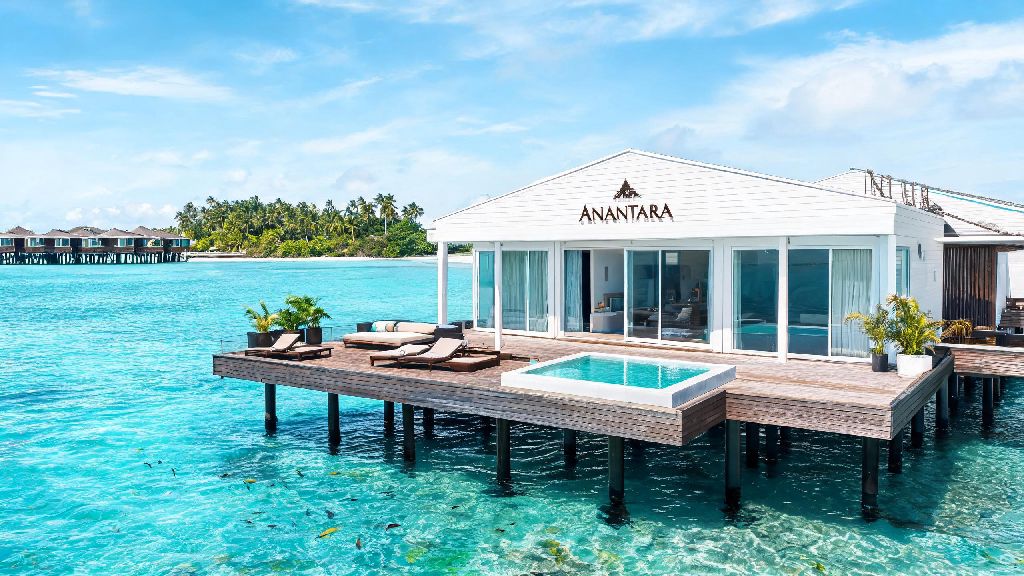
If you’ve ever booked a stay at a lush overwater bungalow in the Maldives, a cliffside villa in Thailand, or an urban luxury retreat in Dubai, you’ve probably come across Anantara’s iconic branding. But many travelers never stop to ask who owns Anantara resorts, and the story behind the brand is far more interesting than you might expect. Whether you’re a frequent luxury traveler, someone researching your next big vacation, or just curious about how global hospitality brands operate, this guide breaks down everything you need to know about the brand’s ownership, history, and unique offerings.
The Parent Company Behind Anantara Resorts
Anantara Resorts is fully owned and operated by Minor Hotels, a subsidiary of Minor International, a multinational hospitality and retail conglomerate founded in Thailand in 1978. The first Anantara property launched in Hua Hin, Thailand, in 2001, as the brand’s first entry into the luxury boutique resort space, and it has expanded rapidly ever since. Today, Anantara operates more than 120 properties across 40 countries, with new locations launching every year in high-demand travel markets. Minor International is publicly traded on the Stock Exchange of Thailand, so their ownership structure is fully transparent for investors and consumers alike. The brand’s majority stakeholder is William Heinecke, an American-Thai entrepreneur who founded Minor International over 45 years ago, and he remains actively involved in shaping Anantara’s brand identity and expansion plans. Minor Hotels also owns a portfolio of other hospitality brands including Avani, Oaks, NH Hotels, and Elewana Collection, so it has deep experience catering to every segment of the travel market.
What Makes Anantara Resorts Different From Other Luxury Brands?
Unlike many large luxury hotel chains that prioritize standardized, one-size-fits-all experiences, Anantara builds every property around the unique culture and landscape of its location. You might find a property in Vietnam that offers traditional silk weaving classes with local artisans, or a resort in Oman that hosts guided desert camping trips for guests, and no two Anantara properties feel exactly the same. The brand also caters to all types of travelers, from couples on romantic getaways to families with young kids to solo travelers looking for adventure. If you’re the type of traveler who likes to unwind with a quick casual game after a long day of exploring a new destination, you’ll find that most Anantara properties have high-speed Wi-Fi perfect for streaming or playing mobile games during quiet evenings. Many guests I’ve talked to say they love logging into Rummy77 for a few quick rounds between spa appointments and sunset dinners, as the game works seamlessly even on slower resort Wi-Fi networks if you’re staying in a remote island property. Anantara also has one of the most generous loyalty programs in the luxury hospitality space, with points that can be redeemed across all their 500+ properties in 55+ countries. Some of the most popular unique perks of Anantara stays include:
Common Misconceptions About Who Owns Anantara Resorts
There are a lot of persistent myths floating around about Anantara’s ownership, especially as the brand has expanded to more markets outside of Southeast Asia. One of the most common misconceptions is that Anantara is owned by a Middle Eastern conglomerate, but that’s not true at all — the brand was founded in Thailand, and its parent company remains headquartered in Bangkok, with majority Thai leadership and stakeholders. Another common myth is that Anantara is part of a larger chain like Marriott or Hilton, but it remains fully independent under Minor International, though it does have limited partnership agreements for point redemptions with some other loyalty programs. You don’t have to be a high-net-worth individual to stay at an Anantara property, either, as many of their locations offer entry-level rooms starting at $150 per night, especially during off-peak travel seasons. The brand’s portfolio ranges from budget-friendly luxury properties in popular tourist spots to ultra-exclusive private islands that cost $10,000+ per night for celebrity and high-end clientele, so there’s an option for almost every travel budget. Many first-time guests are surprised by how accessible the brand is, especially when you factor in the free perks that come with direct bookings.
What Anantara’s Ownership Means For Your Next Stay
Since Minor International is focused on long-term brand growth rather than short-term profit goals, you can expect consistent quality across all Anantara properties, no matter what country you’re visiting. The company invests heavily in staff training, so every team member is trained to meet the same global service standards, but each property still has full autonomy to create local experiences that reflect the surrounding community. That balance of global consistency and local charm is hard to find in the luxury hospitality space, and it’s a big part of why Anantara has such a loyal customer base. If you run into any issues during your stay, you can reach out to their global guest support team 24/7, even if you’re staying at a remote property with limited local phone service. The brand also has a 100% satisfaction guarantee for direct booking guests, so if you’re not happy with your room or experience, they will work to fix the issue immediately, whether that means upgrading your room for free or offering a discount on your next stay. Direct bookings through Anantara’s official website also come with free breakfast and room upgrades when available, which can save you hundreds of dollars on longer stays. You’ll also earn loyalty points for every dollar you spend, which can be redeemed for free nights, on-site dining, spa treatments, or even local experiences at any Anantara property around the world. If you’re someone who travels frequently, joining the loyalty program is completely free and well worth the few minutes it takes to sign up.
At the end of the day, knowing who owns Anantara resorts can help you make more informed decisions when you’re booking your next luxury vacation, especially if you care about supporting transparent, sustainability-focused hospitality brands. The brand’s ties to Minor International mean you get the consistency of a global chain with the personal, local touch of a small boutique hotel, and that’s a rare combination in the luxury travel space. Whether you’re planning a romantic getaway, a family trip, or a solo retreat, you can’t go wrong with an Anantara property if you value comfort, cultural immersion, and great service.