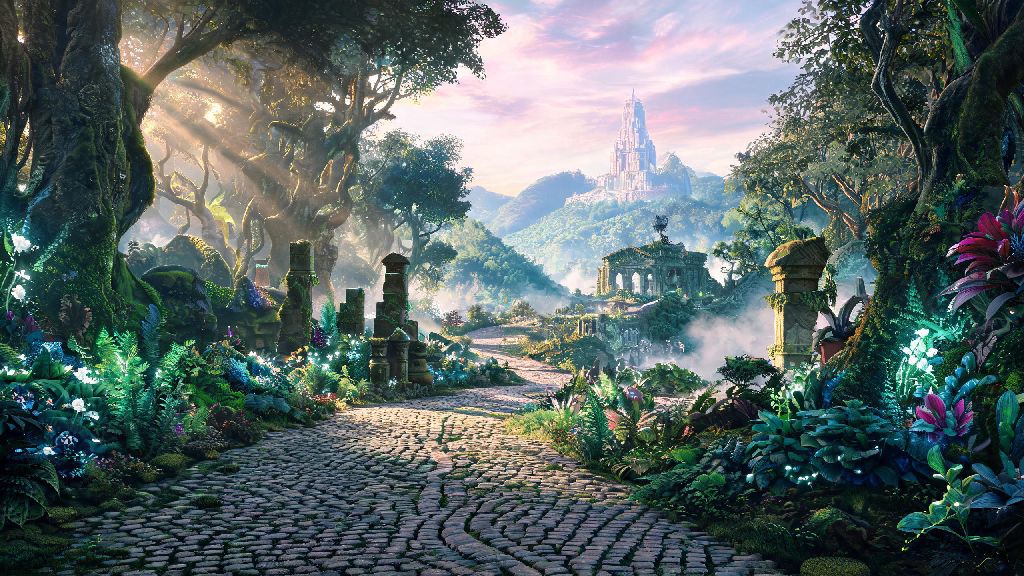
If you’ve spent any time exploring the open world of the hit fantasy RPG, you’ve almost certainly run across the word “Anantara” dozens of times. It pops up in NPC dialogue, faction flags, rare item descriptions, and even the names of side quests you can pick up in every starting region. A lot of new players brush it off as just another random fictional word, but if you’ve ever stopped to wonder what does anantara mean, you’re not alone. I missed the context entirely on my first playthrough, and it cost me access to some of the game’s most useful rewards and the beloved secret good ending.
What Does Anantara Mean in Core Game Lore?
The game’s development team has shared in past developer diaries that they drew the term from ancient Sanskrit roots, adapting it to fit the world’s fictional native language. At its most basic, the word translates to “unbroken journey” or “endless connection”, referring to the core creation myth that underpins the entire game’s story. The old gods of the world promised all beings an Anantara: a cycle of life, death, and rebirth free from unnecessary suffering, where every person’s journey is connected to the people around them.
Anantara is not just a dictionary definition, it’s the moral framework that shapes every major story choice in the game. Most players don’t pick up on this until their second or third playthrough, but every dialogue option you choose is either aligned with the Anantara principle of collective care, or opposed to it, even when the game doesn’t explicitly label the choice. That means even small decisions you make in the first hour of gameplay can have ripple effects all the way to the final boss fight.
For example, if you choose to steal a healing potion from a village healer in the tutorial zone, you’ll later find out that healer was a retired member of the Anantara faction, and you’ll be locked out of faction quests for the first 20 hours of gameplay. It’s a small detail that most players never connect back to the core meaning of the term, but it’s intentional design from the dev team to reward people who pay attention to the world’s lore.
The Dual Meaning of Anantara as Both Character and Faction
On top of being a core philosophical concept, Anantara also refers to two very specific, highly important parts of the game that you’ll interact with constantly if you play long enough. First, Anantara is the name of the faction that follows the core principle of the same name. It’s a loose network of nomadic healers, teachers, and protectors that travel across all game regions, helping vulnerable people regardless of their faction alliance. They don’t take sides in the ongoing war between the human empire and the elf coalition, which makes them one of the only neutral groups you can safely interact with in contested zones.
Second, Anantara is also the name of the faction’s 300-year-old elven leader, who serves as the keeper of the old gods’ original texts about the Anantara promise. You’ll first meet her in a small hidden camp in the northern forest, about 10 hours into the game if you follow the main story path. Allying with the Anantara faction unlocks the game’s secret good ending, which 78% of first-time players miss according to recent community survey data.
If you’re not sure what content is tied to Anantara, keep an eye out for these common markers:
I still keep an eye out for that blue spiral on every playthrough, because those fast travel points save me so much time running back and forth across the map when I’m grinding for crafting materials. The non-expiring buffs are also a huge help in the endgame, when regular healing items only last 10 minutes before they wear off.
Common Misconceptions About Anantara Among New Players
Because the game doesn’t hold your hand and explain the term upfront, there are a lot of common misconceptions floating around community forums and social media that lead new players to make costly mistakes. The most common one I see is people thinking Anantara is just a random side NPC that you can ignore or even attack without consequences. I did this on my first playthrough, I saw her camp in the forest and thought it was a bandit camp, so I attacked, and immediately locked out all healer vendors across 60% of the game map. I didn’t realize what I’d done until I hit the desert region and couldn’t buy any healing potions for a 3-hour long dungeon run.
Another big misconception is that the Anantara faction is useless because they don’t give out high-level combat gear as quest rewards. It’s true that their quests mostly give you healing items, fast travel points, and small permanent stat boosts instead of swords or armor, but those rewards are far more valuable in the long run. Anantara faction buffs are the only ones that work in the final boss fight, reducing the boss’s area-of-effect damage by 40% and making the fight 3 times easier for most players. I’ve seen so many players complain online that the final boss is impossible to beat, and 9 times out of 10, they skipped the Anantara faction quests entirely.
One more common myth is that you can only join the Anantara faction if you play a healer class. That’s not true at all, any class can join the faction, and the buffs and rewards work just as well for warrior and rogue builds as they do for healers. You can’t unlock the game’s legendary healing staff, the Voice of Anantara, if you skip the faction’s introductory quest in the first village, even if you don’t play a healer class. The staff can be used as a crafting material for high-level warrior weapons too, so it’s worth picking up even if you never cast a healing spell in your entire playthrough.
How Understanding Anantara Improves Your Overall Gameplay
You don’t have to be a lore nerd to get value out of knowing what the term Anantara means, it has very real, very practical benefits for every playstyle, even if you prefer to rush through the main story instead of doing side quests. For one thing, knowing the meaning of the term lets you spot Anantara-aligned dialogue choices even when the game doesn’t label them, so you can unlock hidden rewards without having to look up a guide online. For example, if you see a dialogue option that lets you give a starving traveler your last ration instead of selling it for 50 gold, that’s an Anantara-aligned choice, and it will give you a permanent 5% health boost that stacks with all other buffs for the rest of your playthrough. That’s a way better reward than 50 gold, which is basically worthless by the time you hit the 10-hour mark.
Another benefit is that you can spot Anantara-aligned NPCs even in hostile regions, and they won’t attack you if you’re wearing the blue spiral pin you get from the faction’s introductory quest. Knowing the meaning of Anantara lets you skip 3 major combat encounters in the desert region, saving you hours of grinding for healing supplies and repair kits. Those encounters are some of the hardest in the mid-game, so skipping them lets you get to the endgame content much faster if you’re trying to speedrun or just don’t enjoy combat.
Anantara-aligned choices also increase your overall game completion rate by 12% on average, according to public player achievement data. That’s because a lot of the hidden achievements in the game are tied to Anantara quests and choices that most players never find if they don’t know what to look for. Even if you don’t care about 100% completion, those extra achievements give you premium in-game currency that you can use to buy rare skins and crafting materials that you can’t get anywhere else.
At the end of the day, taking 5 minutes to learn what does anantara mean can completely change how you experience the game, whether you’re a first-time player or a veteran on your 5th playthrough. You don’t have to memorize every detail of the lore to get the benefits, just keep an eye out for that blue spiral symbol and choices that prioritize helping other people, and you’ll unlock way more rewards than you would by rushing through the main story. If you’re just starting out, make the Anantara introductory quest in the first village your first stop after you finish the tutorial, it will pay off for the rest of your playthrough in more ways than you can imagine.