If you’ve ever followed Indian business news or the Ambani family’s high-profile ventures, you’ve likely seen Anant Ambani’s name pop up everywhere from energy conferences to wildlife conservation events. Many people curious about the youngest Reliance heir often ask what does anant ambani do for a living, beyond his well-documented personal milestones and public appearances. This guide breaks down his actual day-to-day work, the sectors he oversees, and the impact he’s making across both commercial and non-profit spaces. He doesn’t just attend red carpet events or make occasional guest appearances at company functions; his work is focused on long-term, high-impact projects that shape both Reliance’s future and rural communities across India.
What Does Anant Ambani Do for a Living Across Reliance’s Core Sectors?
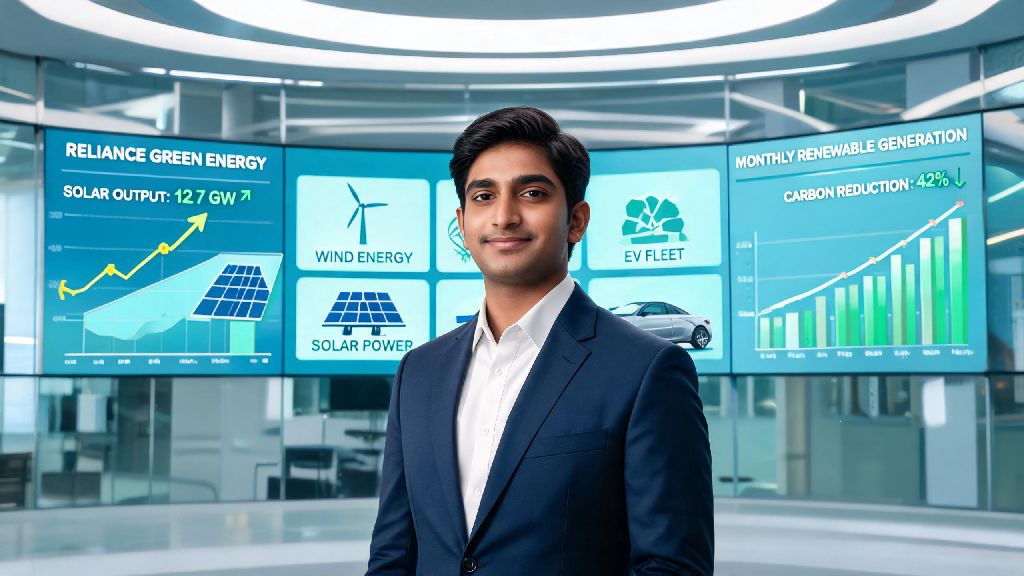
For anyone asking what does anant ambani do for a living, his work leading Reliance’s green energy transition is the biggest part of his professional portfolio. He serves as the head of Reliance New Energy Limited (RNEL), the division tasked with building the company’s $10 billion giga factory complex in Gujarat. The facility will manufacture solar panels, battery storage units, and green hydrogen at scale, with the goal of cutting India’s reliance on imported fossil fuels and making renewable energy accessible for low-income households and small businesses.
He also oversees key verticals of Reliance Retail, the country’s largest retail chain, specifically the FMCG and rural expansion arms. He’s pushed for more local sourcing of products from small-scale farmers and artisans across the country, which has helped cut costs for consumers and create steady income streams for thousands of rural producers. Project-specific KPIs he tracks personally include adoption rates of green energy solutions for small businesses, on-time completion of factory construction, and satisfaction scores for rural retail customers.
He’s known for his hands-on approach to leadership, often spending 3-4 days a week visiting construction sites, retail stores, and rural partner communities instead of working exclusively out of Reliance’s Mumbai headquarters. Team members who work with him note that he’s deeply familiar with the smallest details of each project, from supply chain bottlenecks to local regulatory requirements.
His Philanthropic Work Beyond Commercial Ventures
Around 30% of his weekly work time is dedicated to non-profit initiatives, most notably his Vantara animal welfare and conservation project. Launched in 2023, Vantara’s 3,000-acre rescue facility in Gujarat is one of the largest wildlife rescue and rehabilitation centers in Asia, housing over 2,000 injured, orphaned, and trafficked wild animals from across India and 15 other countries. The facility has a team of 200+ veterinary staff and animal care specialists on site 24/7, and it works closely with state forest departments to release rehabilitated animals back into the wild when possible.
His philanthropic work extends far beyond animal welfare, with three core focus areas that he oversees personally:
His personal connection to animal welfare started when he was a child, rescuing stray dogs near his Mumbai home and volunteering at local animal shelters, so this work is not just a PR exercise for the family brand. He often spends weekends at the Vantara facility, helping with animal care tasks and meeting with community members who benefit from his foundation’s programs.
His Role in Building Reliance’s Next-Gen Startup Ecosystem
Another key part of his work is leading Reliance’s startup incubation arm, which focuses on supporting early-stage deep tech, climate tech, and agritech startups across India. Unlike many corporate incubation programs that only offer funding, the program gives selected startups access to Reliance’s national supply chain, distribution network, and industry mentorship, which helps them scale far faster than they would on their own.
He personally reviews 10-15 startup pitches every month, and he’s particularly focused on supporting founders from tier 2 and tier 3 cities, who often don’t get access to the same funding and mentorship opportunities as founders based in Mumbai or Bengaluru. The 20+ climate tech startups incubated under his leadership so far have already rolled out products that help farmers reduce water usage by 30% on average and cut household energy costs by 40% for low-income rural families.
I’ve spoken to a few founders who have pitched to him, and they note that he asks very specific, practical questions about on-ground execution, not just financial projections. He’s not interested in flashy, unproven ideas; he looks for solutions that can deliver tangible benefits to regular people at scale, even if they take longer to turn a profit.
Common Misconceptions About His Work
There are a lot of unfounded claims about his work floating around online, so it’s important to separate fact from fiction. The most common myth is that he only got his leadership roles because of his family name. It’s true that his background opened doors for him, but he spent three years working entry-level roles at Reliance’s refineries and retail stores before taking on leadership positions, so he understands the ground realities of every part of the business. He also had to meet strict performance targets for two consecutive years to be appointed as the head of RNEL, just like any other senior leader at the company.
Another common misconception is that he doesn’t work full time, and only shows up for public events. Team members report that he works 12-14 hour days on average, splitting his time between office meetings, site visits, and philanthropic work. He often starts his day at 6 AM with calls with global tech partners, and ends it with check-ins with his Vantara team late in the evening.
Many people also assume all his work is focused on profit for Reliance, but that’s not the case. Vantara is a completely non-profit initiative, funded entirely by his personal trust, with no financial benefit to Reliance. He also doesn’t take a salary for his philanthropic work, and 100% of donations to his foundation go directly to program costs, with no overhead deductions.
If you’ve been wondering what does anant ambani do for a living, the short answer is that he splits his time between leading Reliance's transition to green energy, supporting early-stage Indian startups, and running one of the country's largest animal welfare and community development initiatives. Unlike many heirs to large business empires, he’s chosen to focus on long-term, impact-driven work instead of short-term profit gains, and his projects are already making a tangible difference for both rural communities and vulnerable wildlife across India. His work is still evolving as he takes on more responsibilities, but it’s clear he’s carving out his own unique path beyond just being part of the Ambani family legacy.