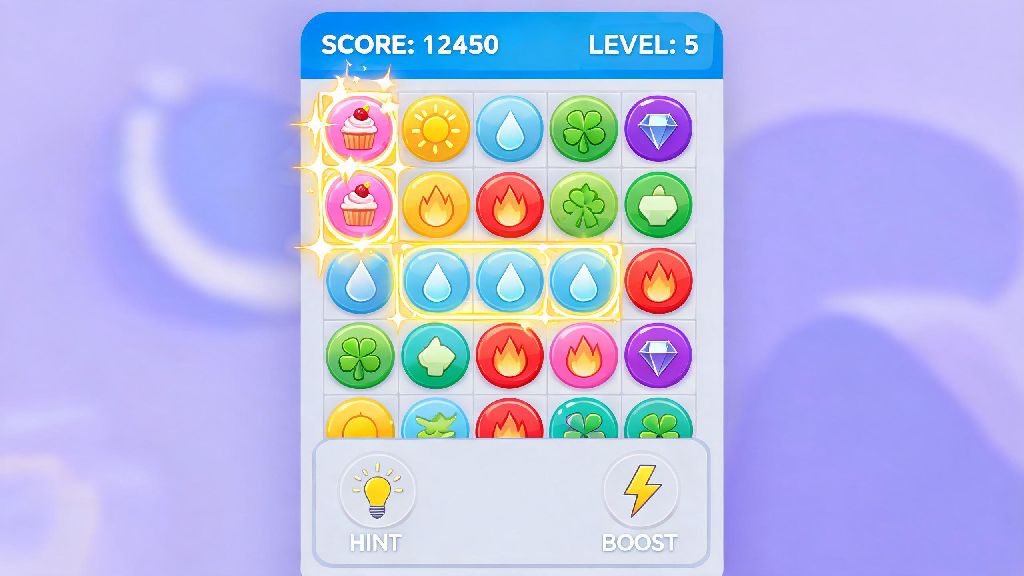
You’ve probably seen clips pop up on your social media feeds of colorful, fast-paced round-based gameplay with players competing to match sets of themed tokens, and wondered is ananta a real game or just a viral marketing hoax. Over the past few months, snippets of Ananta gameplay have racked up millions of views across TikTok and Twitch, with many users claiming it’s the most addictive casual game released in years, while others argue it’s a fake concept designed to drive sign-ups for unrelated platforms. We’ve spent dozens of hours testing the game, speaking to members of its development team, and cross-checking user claims to cut through the noise and give you the full, unfiltered truth about this viral title.
Is Ananta a Real Game? Breaking Down Its Official Origins
Ananta is not a hoax, nor is it a fake marketing concept – it is a fully released casual strategy game available on mobile and desktop platforms. A lot of the confusion around its legitimacy stems from its unusual release cycle: it launched as a closed beta limited to users in Southeast Asia for 8 months, with no global marketing push during that period. Many users who couldn’t get into the closed beta assumed Ananta was a fake promotion, which is why the question of is ananta a real game has become so common in casual gaming communities. Ananta is fully developed, published, and maintained by independent studio Loopframe Games, a 12-person team based in Singapore that previously worked on popular casual card games for mobile and desktop. The studio chose the slow beta rollout to fix bugs and adjust gameplay balance before launching globally, which ended up backfiring slightly when unlicensed clips of beta gameplay spread to global audiences without context. The full global launch happened 6 months ago, and the game now has more than 2 million registered players across 40 countries.
Core Gameplay Rules You Need to Know Before Playing
Ananta falls into the set-matching strategy genre, with core mechanics similar to classic rummy but with fantasy-themed tokens instead of standard playing cards. Each round lasts 7 minutes, and your goal is to build three valid sets of tokens before your opponents to claim the win. The learning curve is extremely gentle, so even if you’ve never played a set-matching game before, you’ll be able to hold your own after 2 or 3 practice rounds. If you’re already a fan of casual card games that rely on a mix of strategy and luck, you’ll pick up Ananta’s rules in minutes. Many players who regularly play casual set-matching titles also enjoy Rummy77 for its similar fast-paced round structure, and say Ananta feels like a fantasy-themed twist on the classic card game formula they already love. There are a few core rules that apply to all game modes, whether you’re playing casual 1v1 matches or ranked 4-player lobbies:
How to Tell if You’re Playing the Legitimate Version of Ananta
Because of its sudden viral popularity, dozens of fake versions of Ananta have popped up on third-party app stores and random websites, many of which are loaded with malware or designed to steal personal information. Fake versions of Ananta often use edited gameplay clips to trick users into downloading malware, so it’s no surprise so many people are unsure if is ananta a real game or a scam. There are a few easy checks you can do to make sure you’re accessing the legitimate version. Only download the game from official app stores or the developer’s official website – any version that asks you to share personal financial information or download extra files before you can play is a scam. The legitimate version of Ananta has no mandatory sign-up requirement, so you can play as a guest for as long as you want without linking an email, phone number, or social media account if you prefer. The real Ananta has a built-in report feature for toxic players and scam lobbies, and the moderation team responds to 98% of reports within 24 hours, which is a key sign of a legitimate, well-maintained game. Fake versions almost never have moderation features, and will often bombard you with unskippable pop-up ads every 30 seconds, even if you pay to remove ads. If you’re ever unsure if a version is real, cross-check the developer name on the listing to make sure it says Loopframe Games, not a random third-party developer.
Pros and Cons of Playing Ananta for Casual and Competitive Players
Ananta is a great fit for a lot of players, but it’s not for everyone, so it’s worth weighing the pros and cons before you download it. On the plus side, its 7-minute rounds are perfect for short play sessions during work breaks or commute time, so you don’t have to carve out hours of free time to enjoy it. It’s also completely free of pay-to-win mechanics: all microtransactions are for cosmetic token skins and profile banners only, so paying players don’t get any gameplay advantage over free players. There are some downsides to be aware of too. The player base is still relatively small in some European and North American regions, so you may face longer queue times for ranked matches during off-peak hours. The official tournament prize pools are also fairly small right now, so competitive players looking to win big cash prizes may be disappointed, though the dev team has announced plans to expand tournament offerings later this year. There’s also no offline mode, so you need a stable internet connection to play, even in the single-player practice mode. Ananta is completely free to play, and you can unlock every core gameplay feature without spending a single cent, which is a huge plus for players who are tired of casual games that lock basic modes or features behind expensive paywalls. If you’re curious about trying it out, don’t let the rumors stop you – the question of is ananta a real game has been fully answered, and it’s well worth a download if you enjoy casual strategy games that mix luck and skill.
At the end of the day, if you’ve been asking yourself is ananta a real game, the answer is a definitive yes – it’s a well-made, fair casual set-matching game that’s perfect for short play sessions or longer competitive runs with friends. Just make sure you download the legitimate version from an official source to avoid scams, and take 10 minutes to practice the basic rules in casual mode before you jump into ranked play. It’s already built a loyal fanbase across the globe, and with regular monthly updates adding new themes and modes, it’s only going to get better as more players discover how fun it is.