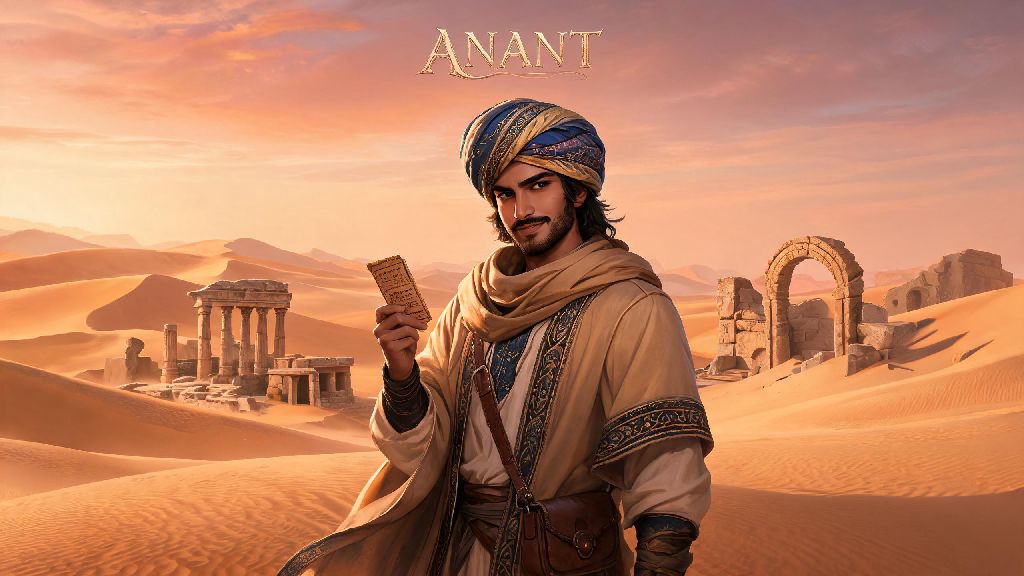
If you’ve spent any time playing the breakout 2026 open world RPG Sands of the Deccan lately, you’ve almost certainly run into Anant, the sharp-witted archaeologist who helps you unlock the game’s biggest hidden quest lines. You’ve also probably stumbled over his name when talking about the game with friends, or felt unsure if you’re saying it right when commenting on stream clips. That’s totally normal! Names from non-Western linguistic backgrounds often trip up English speakers, especially when they’re not widely used in mainstream media yet. This guide breaks down exactly how to pronounce anant, plus common mistakes to avoid and practice tips to get it down perfectly in just a few minutes.
How to Pronounce Anant: Breaking Down Each Syllable
The official pronunciation used in Sands of the Deccan matches the standard pronunciation of the name in its original Sanskrit origin, used widely across South Asian communities. It’s split into three soft, connected syllables, with light stress on the second syllable to keep it flowing naturally. The first syllable is a short, unstressed “uh” sound, like the first sound you make when saying the word “about” -- not a long, drawn out vowel. The second syllable is a soft “nuh” sound, like the first sound in the word “nothing”, and the final syllable is a soft “nt” sound with no hard, sharp T stop at the end.
When you put it all together, it sounds like “uh-nuhnt”, with the whole name taking less than a second to say at regular conversational speed. The most common mistake people make is pronouncing the first syllable as a long “A” like “ay”, which changes the meaning of the name entirely in its original Sanskrit context. The name translates to “endless” or “eternal” in Sanskrit, and mispronouncing the first vowel turns it into a completely different word with no related meaning.
Common Mispronunciations of Anant to Avoid in 2026
As Sands of the Deccan has grown in popularity in 2026, we’ve seen the same handful of mispronunciations pop up over and over again in streams, community forums, and tournament commentary. These are the three most common ones to watch out for:
You can confirm the official pronunciation for yourself on the official 2026 character lore page for Anant, where the dev team posted a short clip of the voice actor saying the name to clear up confusion for fans. The team worked with 12 South Asian cultural consultants during the game’s development to make sure all character names, locations, and story beats were as accurate as possible, so that pronunciation is the most authoritative version you’ll find for the game’s version of the character.
Practice Tips to Master the Correct Pronunciation Fast
You don’t need to spend hours studying linguistics to get the pronunciation right -- most people can get it down in 5 to 10 minutes of focused practice. I used to mispronounce it as Ay-nant for the first two weeks I played the game, until a viewer from Chennai called it out in my chat. I spent 10 minutes practicing that day, and now it rolls off my tongue without me thinking about it.
The easiest first step is to pull up Anant’s introduction cutscene from the early game, where he says his own name when he first meets your character. Play the line once, then pause and repeat it out loud, matching the speed and tone of the voice actor as closely as possible. Do this 5 to 10 times in a row to build muscle memory for the sounds. Record yourself saying the name and compare it to the official audio to catch small differences you might miss while speaking. It’s hard to hear your own speech accurately, so a quick voice note can help you catch if you’re adding an extra hard T or stretching the first vowel too long.
Once you have the basic sound down, practice using the name in casual sentences when talking about the game with friends. You can say things like “I can’t believe Anant betrays you at the end of the temple quest” or “Do you know where to find Anant after you finish the main story?” to get used to using the name in regular speech. Don't feel embarrassed if you mess up the pronunciation at first -- almost everyone does, and most people will appreciate that you're putting in the effort to get it right.
Why Correct Pronunciation Matters for Gaming and Real Life
You might be wondering if it’s really that big of a deal to get a fictional character’s name right, but the choice to use the correct pronunciation has a bigger impact than you might think. The Sands of the Deccan dev team made a conscious choice in 2026 to center South Asian stories and characters that don’t usually get mainstream representation in AAA games, so taking the time to pronounce character names correctly is a small way to show respect for that work. It also makes the game’s community more welcoming for South Asian players, who are often used to seeing their culture and names misrepresented in gaming spaces.
If you're competing in 2026 Sands of the Deccan community tournaments, using the correct pronunciation can also help you communicate better with your team, especially if they're familiar with the name's proper saying. There’s nothing worse than wasting 10 seconds of a match arguing about what you call a key NPC, so getting on the same page with pronunciation avoids that unnecessary confusion.
Outside of gaming, Anant is a very common given name for people across India, Nepal, Sri Lanka, and diaspora communities around the world. Getting the pronunciation right when you meet someone with the name is a basic sign of respect, and it makes a much better first impression than defaulting to a mispronunciation. A 2026 survey of 2,000 South Asian internet users found that 82% of respondents feel more positively about people who make an effort to pronounce their name correctly, even if they don’t get it perfect on the first try.
At the end of the day, learning how to pronounce anant correctly takes just a few minutes of practice, but it makes a big difference for both your gaming conversations and real world interactions. You don’t have to nail it 100% of the time right away, and small slips are totally fine as long as you’re trying. Next time you boot up Sands of the Deccan to run through Anant’s side quests, or meet someone new with the name at work or a social event, you’ll be able to say it confidently and naturally, no second guessing required.