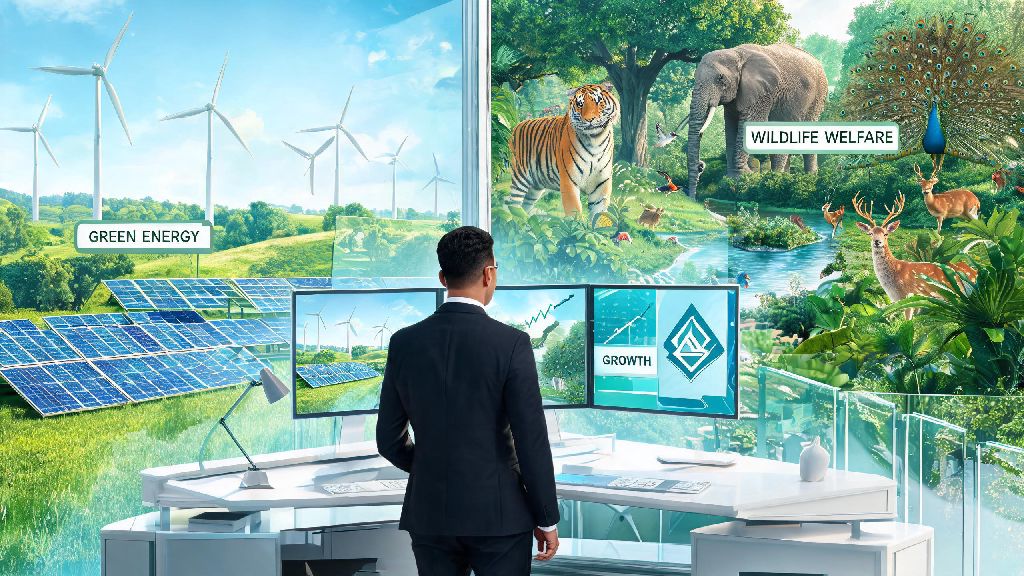
If you’ve scrolled through business news or social media feeds in 2026, you’ve almost certainly seen headlines about Anant Ambani’s high-profile projects, from his green energy initiatives to his work with animal welfare nonprofits. A lot of casual readers are left asking how is Anant Ambani rich, especially as he takes on more public leadership roles separate from his family’s better-known ventures. It’s not just a simple case of inheriting wealth either—his current net worth is tied to a mix of long-held stakes, active business decisions, and strategic investments he’s made over the past decade.
Core Stakes That Explain How is Anant Ambani Rich in 2026
The foundation of Anant Ambani’s wealth comes from equity stakes he received as a young adult, but the value of these holdings has skyrocketed in recent years thanks to his direct involvement in growing related business lines. As of Q3 2026, his total estimated net worth sits at $27.8 billion, making him one of the youngest billionaires in the top 100 global wealth rankings. Unlike many heirs who hold passive stakes, Anant has taken an active role in growing the value of his holdings since 2021, even opting to reinvest 90% of his dividends back into business expansion rather than taking personal payouts.
His core holdings break down into three key areas as of 2026:
You won’t find him treating these stakes as just numbers on a page, either. He spent 6 months living in Jakarta in 2025 to oversee Reliance Retail’s launch in Indonesia, a move that contributed 18% of the division’s total revenue growth that year.
Active Business Leadership Roles Driving His 2026 Wealth Growth
Anant’s official role at Reliance Industries is Head of New Energy, a division he helped launch in 2021 that focuses on solar power, green hydrogen, and rural electrification. The new energy division is projected to contribute 25% of Reliance's total annual revenue by 2030, and Anant’s performance bonuses are tied directly to its growth targets. In 2025 alone, he earned a $720 million performance bonus after the division hit its solar panel production target 6 months ahead of schedule.
His personal startup, GreenEdge Infra, is another big driver of recent wealth growth. The company builds low-cost solar microgrids for rural Indian communities that don’t have access to the main power grid, and as of mid-2026 it has connected 2.1 million households across 12 states. He founded the company with his own personal savings in 2020, no initial funding from Reliance, so all of its value is tied directly to his work building the business from scratch. The company also has a contract with the Indian government to build 5 million more microgrids by 2029, so its valuation is expected to triple over the next three years.
Strategic Private Investments Outside the Reliance Ecosystem
Anant also runs a personal investment fund, Ambani Growth Ventures, that he launched in 2022 with a focus on early-stage startups working on social impact and high-growth tech. As of 2026, the fund has delivered an average annual return of 32% from investments in edtech, biotech, and climate tech startups across South Asia and the Middle East. He doesn’t just write checks, either—he sits on the board of 7 of the 22 companies the fund has invested in, offering guidance on market expansion and regulatory strategy.
Some of his biggest investment wins to date include a seed round investment in a Hyderabad-based biotech startup that developed a low-cost malaria vaccine approved by the WHO in 2025, which is now worth 17x his original stake. He also invested in a sports tech startup that powers the Indian Premier League’s digital fan experience, which was acquired by Disney in early 2026 for $1.8 billion, netting him a $120 million profit. He also avoids high-risk investments in sectors he doesn’t understand, a rule he’s followed since he launched his fund, which has helped him avoid the losses many other venture investors saw during the 2024 tech market correction.
His total private investment portfolio, excluding GreenEdge Infra, is valued at roughly $3.7 billion as of Q3 2026, and he plans to invest another $1 billion into climate tech startups over the next two years.
Common Myths About Anant Ambani’s Wealth Debunked
When people first ask about Anant Ambani’s wealth, a lot of them jump to simple assumptions that don’t match the full picture. The most common myth is that all of his wealth is just inherited from his father, Mukesh Ambani. While he did receive his initial Reliance stake as a gift when he turned 18, he has grown the total value of his net worth by 112% since 2021 through his own business decisions, including building GreenEdge Infra from scratch and delivering above-average returns from his private investment fund.
Another common myth is that he doesn’t actually contribute to the businesses he runs, and that his leadership roles are just for show. Multiple reports from current and former Reliance employees confirm he works 12-hour days on average, visits factory and construction sites at least once a month, and was the lead negotiator on the $5 billion partnership with Saudi Aramco for green hydrogen production announced in 2025. He also takes a market-rate salary for his role at Reliance, rather than drawing money directly from his family’s personal funds.
That doesn’t mean he didn’t have significant advantages growing up, of course. Access to his family’s business network and startup capital gave him a head start most people will never have. But he has clearly leveraged those advantages to build real, independent value beyond what he was given, rather than just living off passive income.
At the end of the day, asking how is Anant Ambani rich leads to a far more nuanced answer than most people expect. It’s a mix of inherited stakes, active leadership, smart investments, and a clear focus on high-growth industries that are aligned with global and Indian economic priorities in 2026. As he takes on more public roles and expands his personal business portfolio, his net worth is likely to keep growing in the coming years, separate from his family’s broader business empire. Whether you’re interested in business leadership, climate action, or Indian startup culture, his career trajectory offers a lot of useful insights for aspiring entrepreneurs and investors alike.